
Passenger Elevator
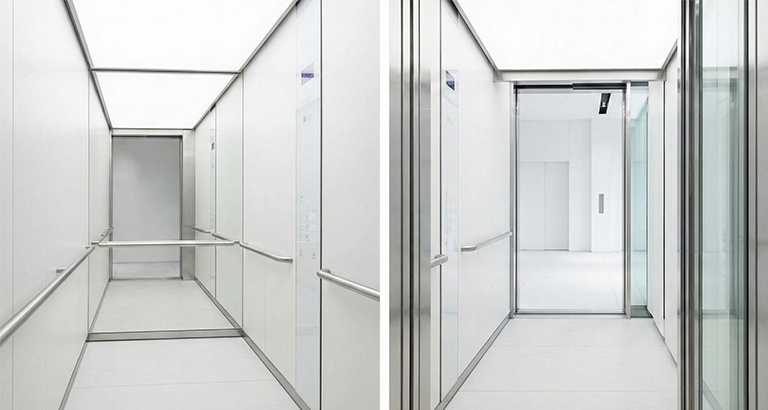
An Indispensable Part of Modern Urban Life…
Passenger elevators are one of the most critical components of modern buildings and ensure the safe transportation of people between floors. They play an important role by increasing comfort and supporting accessibility. In multi-storey residences, shopping centers, hotels, hospitals, and many other structures, passenger elevators have become a standard necessity.
History and Development
The history of passenger elevators dates back to primitive lifting mechanisms used in Ancient Rome and Egypt. Early examples were simple crane systems powered by human or animal force. With the Industrial Revolution in the 19th century, these systems evolved with steam power and hydraulic solutions. In 1853, Elisha Otis's invention of the safety brake significantly improved safety by preventing sudden cabin falls and paved the way for the widespread use of elevators.
Types and Technologies
Passenger elevators are classified into different categories depending on usage needs and applied technologies:
Hydraulic Elevators:
Electric Elevators (Traction Elevators):
Pneumatic Elevators:
Microprocessor-Controlled Elevators:
Safety Features
Safe use of passenger elevators is ensured according to relevant standards and regulations. Modern elevators are supported by various safety systems:
Energy Efficiency and Eco-Friendly Technologies
In recent years, energy-saving and environmentally friendly elevator solutions have become prominent. Modern systems are supported by efficient motor technologies, LED lighting, and smart control infrastructures. In addition, regenerative braking systems reduce total energy consumption by recovering energy generated during descent. These innovations lower operating costs and help reduce environmental impact.
Areas of Use
Passenger elevators are widely used in many types of structures:
Residential Elevators:
Commercial Elevators:
Hospital Elevators:
Disabled Elevators:
Maintenance and Inspection
Regular maintenance and inspections are critical for safe and efficient operation. These processes are carried out periodically by authorized services and all safety equipment is tested. It is also necessary to ensure compliance with current regulations.
Passenger elevators, which have become a fundamental element of modern urban life, significantly improve the functionality of buildings while making daily life easier.
Why ? Case Elevator Case Elevator
Why Case Elevator? Unshakable Trust: Every rail, every button, and every panel we supply fully complies with international safety standards. Aesthetics and Technology: We combine the aesthetic touch required by modern architecture with the most advanced control systems. Solution-Oriented Approach: Not only before the sale, but also in our after-sales technical support processes, we are the closest solution partner to our customers. On-Time Delivery: With our strong stock structure, we ensure fast and uninterrupted shipment so that your projects are not delayed. Our Vision; With the strength we take from Konya, to become the first brand that comes to mind when "quality" is mentioned in elevator projects across Turkey. Our Mission; With the awareness that we carry human lives, to work with a "zero error" principle from the smallest screw to the largest cabin.










You Can Contact Us by Filling Out the Form
If you would like us to call you, please add your contact information to the form